Home › Insights › 7 AI Trading Signals
SILVABIT INSIGHTS · 10 MIN READ
7 AI Trading Signals That Separate Winners
From the Rest in 2026.
If you've ever watched a chart move and wondered which signal to trust, this is the only breakdown you need. Seven signals, four signal killers, and the one habit that turns the first list into profit and the second into losses.
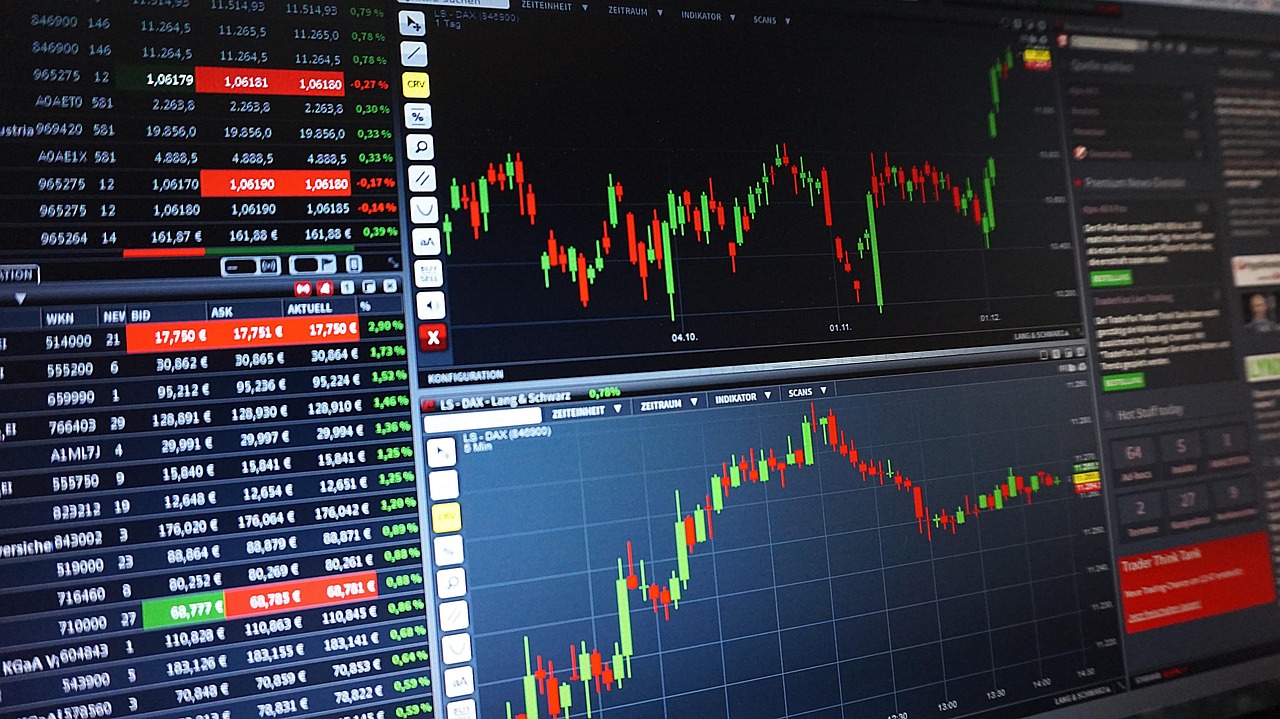
Every trader has a signal list. Most of them look identical: moving averages, RSI, MACD, maybe a bit of volume. And yet one trader using those indicators ends the year up — and another ends it down 40% — on the exact same market. The difference isn't the signals. It's how an experienced reader (or a well-built agent) weighs them against the market's current temperature.
In this piece we'll walk through the seven signals SilvaBit AI leans on in 2026, in the order the agent reads them, and more importantly: when it decides to ignore them.
Signal 1 — Market structure.
Before anything else, SilvaBit maps structure. Where are the recent swing highs and lows? Which range has been accepted? Which was violated? Structure is the chart's skeleton. Trade against it and even a "clean" momentum signal is probably noise.
In practice this means: when a session opens above a prior day's high and holds above it for the first hour, the agent treats the market as "structurally bullish" and refuses most short signals until that bias is broken.
Signal 2 — Session volume vs trailing average.
A trending chart on dead volume is a trap. The agent compares current 10-minute rolling volume against the trailing 7-day average for the same slot. Below 70% of average, momentum signals are discarded. Below 50%, no new orders are opened.
This single filter removes a huge proportion of the losing trades retail traders complain about on social media. Most of them look great on paper and die on execution — because the book had no depth.
Signal 3 — Multi-timeframe momentum.
Momentum on one timeframe is a rumour. Momentum on three is a conversation. SilvaBit measures relative strength on 15-minute, 1-hour and 4-hour frames and discards any signal where two of three disagree with the trade direction.
If the 1-hour chart is screaming "buy" but the 4-hour has already topped, you're chasing. The agent won't chase.
Signal 4 — Session volatility expansion.
Trades placed in flat volatility and held into expanding volatility are the dream. The reverse is the nightmare. The agent tracks the ratio of 15-minute true range to its 7-day baseline. Expansion is a green light. Contraction after a long trend is often a warning.
Signal 5 — Correlation cluster drift.
One of the quietest edges in retail trading is noticing when correlated markets stop moving together. If EUR/USD climbs while DXY also climbs — something broke. SilvaBit watches a short cluster of correlated instruments and treats a sudden decoupling as either an opportunity or, more often, a signal to step back.
Signal 6 — News-event proximity.
Nothing in a technical setup matters more than "FOMC in 20 minutes." The agent carries a rolling calendar of scheduled high-impact events and refuses to open new positions within a window on either side.
This isn't a prediction about what will happen on the news. It's a refusal to let the engine blow up a sensible setup on a political announcement.
Signal 7 — Agent self-check.
The last signal is the most important and the least talked about. Before placing an order, the agent tries to write a one-line rationale explaining why. If the rationale is thin, hedged or vague — if it reads like something a bad analyst would say on television — the trade does not happen.
This is the explainability principle at work. "Mild uptrend, low confidence" is not a reason to deploy capital.
Four signal killers to delete from your workflow.
- Lagging-only indicator stacks. If every indicator on your chart is a moving-average derivative, you're looking at seven slightly different reflections of yesterday.
- Overfitted backtests. Any strategy with 94% win rate on paper will survive about three weeks live. Build for 50–60% and larger winners.
- Low-timeframe conviction. A 1-minute signal is almost always a liquidity trap. Zoom out.
- Alert fatigue. Twenty alerts a day means zero signals. Set thresholds high enough that the alert actually matters.
How SilvaBit AI uses all seven in practice.
Inside the SilvaBit workspace, these signals are weighted and composed into a single "score". The agent only acts when the score clears a threshold. Below the threshold, the agent waits — and tells you why. That "telling you why" is the whole point of using an explainable AI instead of a black box.
If you want to see this in practice without funding an account, open the platform overview and poke around in the dashboard's rationale panel. You'll see the signals, their current weights, and the trades the agent did and didn't take — all with notes.
What to do next.
Three steps:
- Audit your current signal set. Which of the seven do you already use?
- For each signal, write down the condition that would make you ignore it. If you can't, that signal is probably running your account by default.
- Try SilvaBit AI in observation mode for a week. Compare the agent's calls to your own. The gap is the lesson.
Trading is never a solved game. But the gap between the winners and the rest in 2026 isn't cleverness — it's discipline about what to ignore. The seven signals above are a starting point. The habit of ignoring the eighth is the finishing move.